24 min read
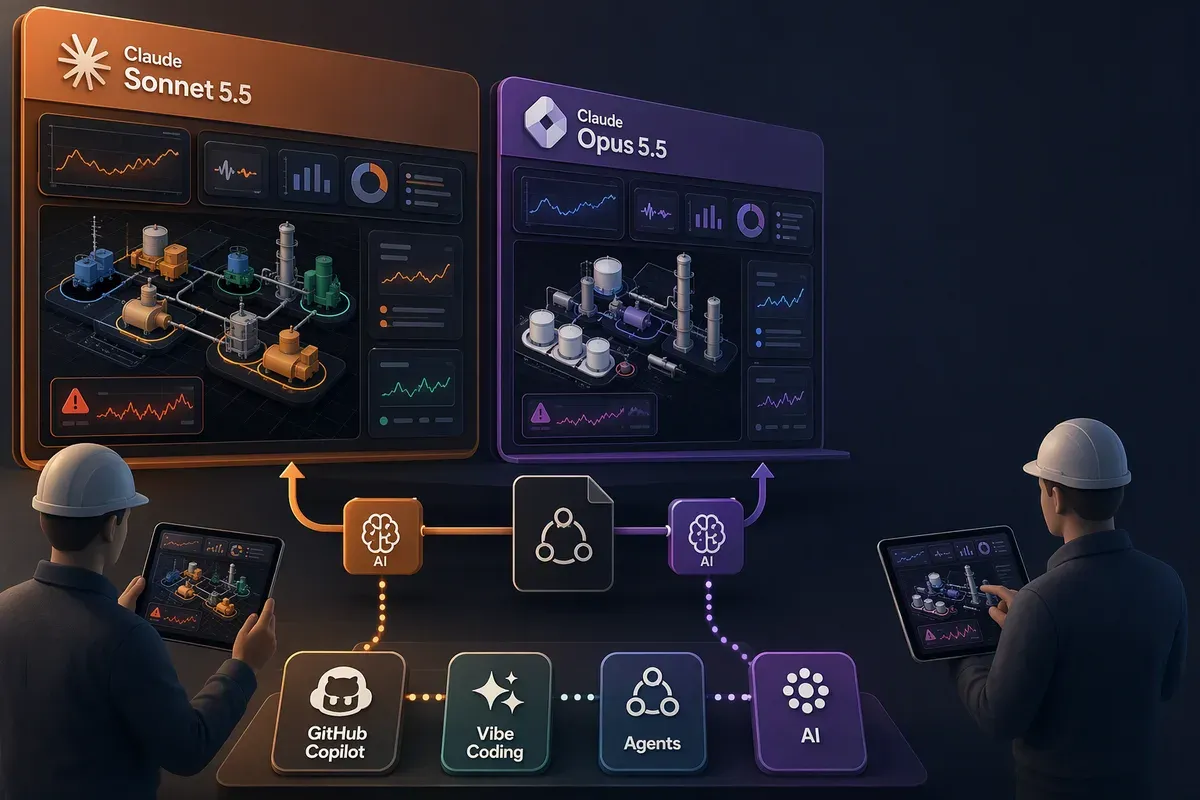
Sonnet 5.5 vs Opus 5.5: Same Prompt, Two Models = Two Different Apps
I compared two finished apps built from the same brief, one with Claude Sonnet 5.5 and one with Claude Opus 5.5, screen by screen. Both work, and the gaps are specific.
11posts
I compared two finished apps built from the same brief, one with Claude Sonnet 5.5 and one with Claude Opus 5.5, screen by screen. Both work, and the gaps are specific.
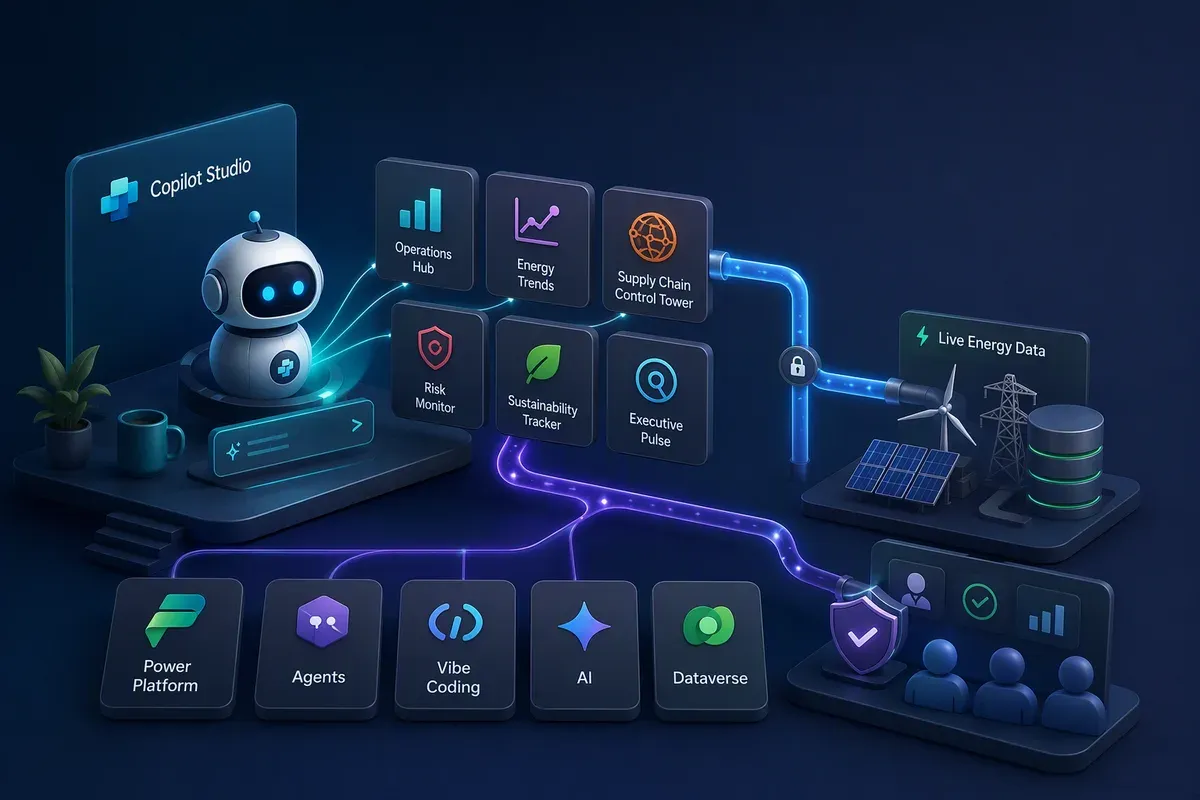
I had an agent build six demo apps in Copilot Studio in one day, then wire one to live energy data through custom connectors. Here's what review taught me.
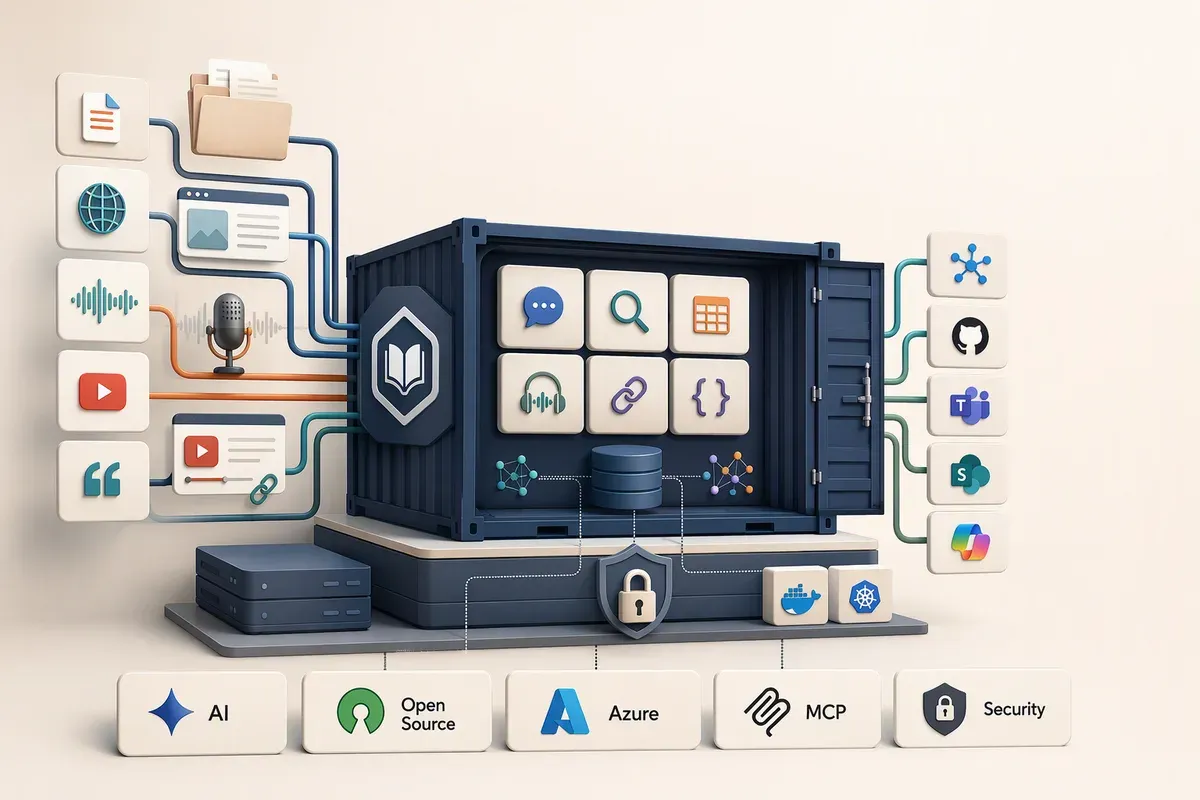
A field guide to InfiniAIBook, the AI research notebook you host yourself: cited chat, live voice discussions, Studio formats, videos, and Azure deployment.
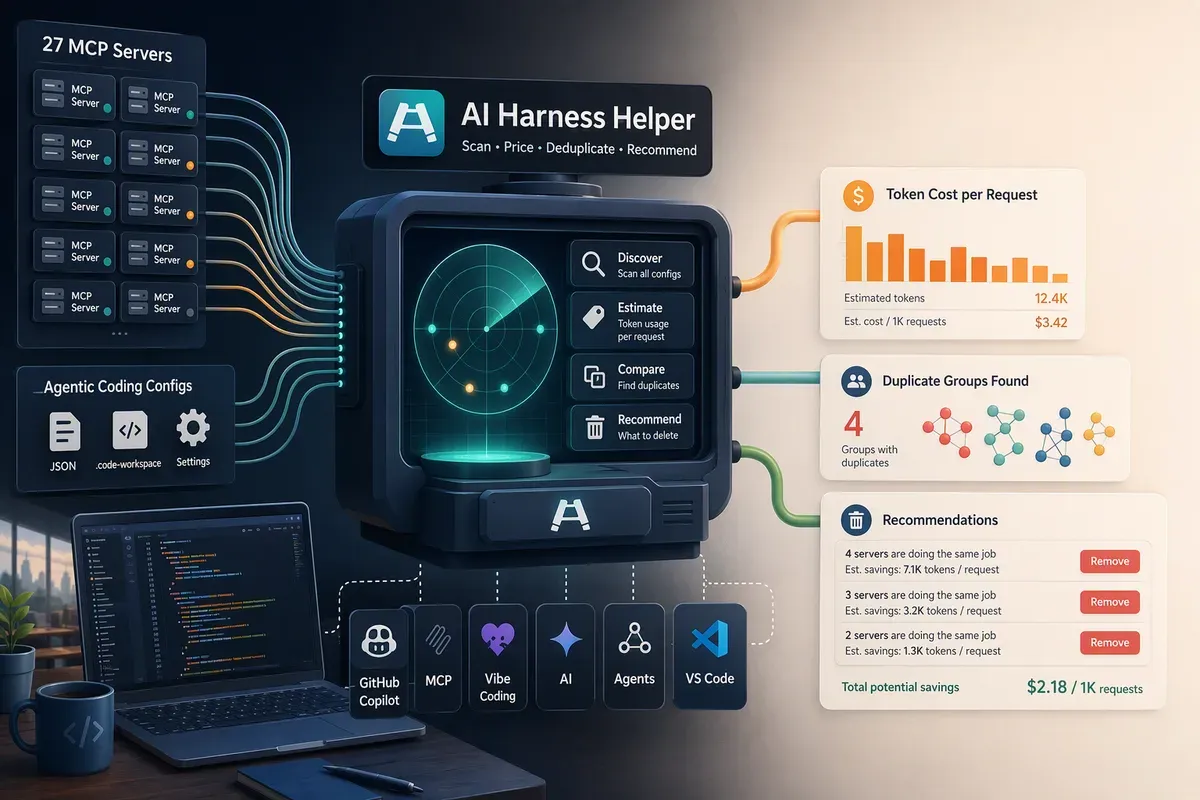
AI Harness Helper brings your coding tool settings into one view, finds duplicate MCP servers, and estimates how much context your instruction files use.
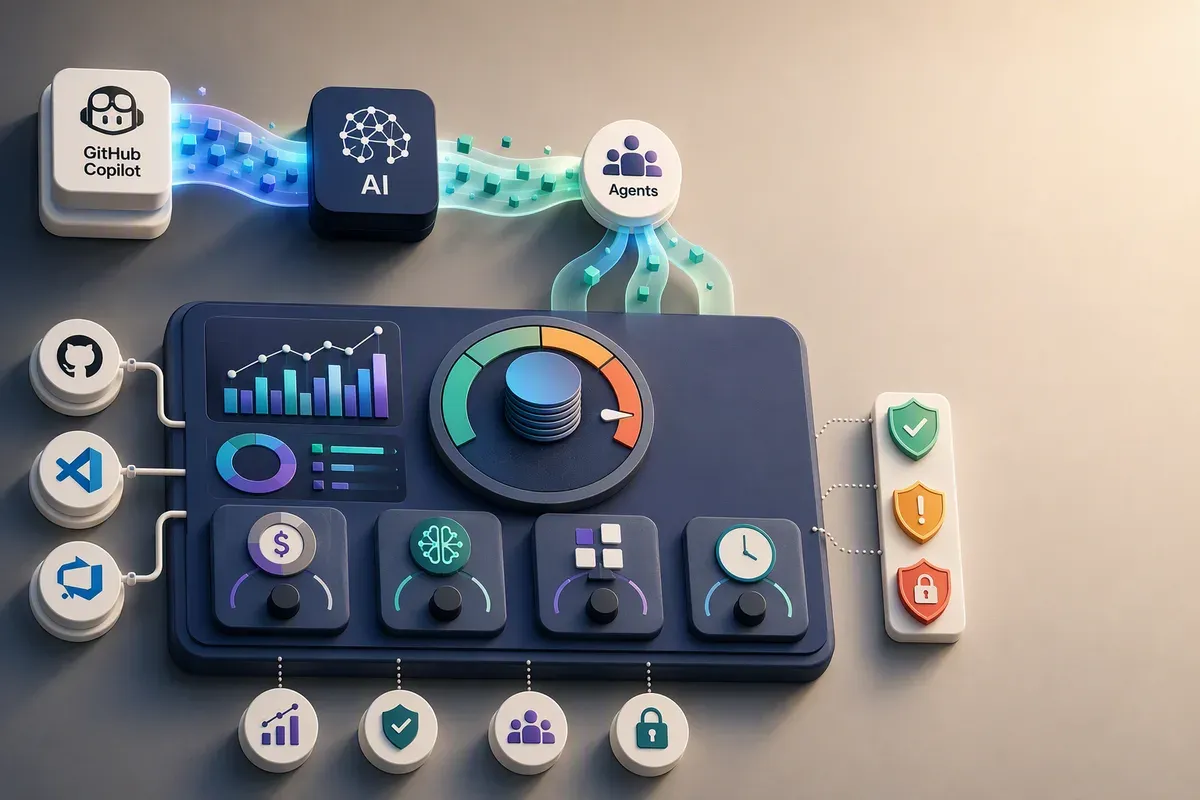
Plan GitHub Copilot credit consumption with real-user pilots, measure savings alongside costs, and use budgets and focused tasks to manage spending.
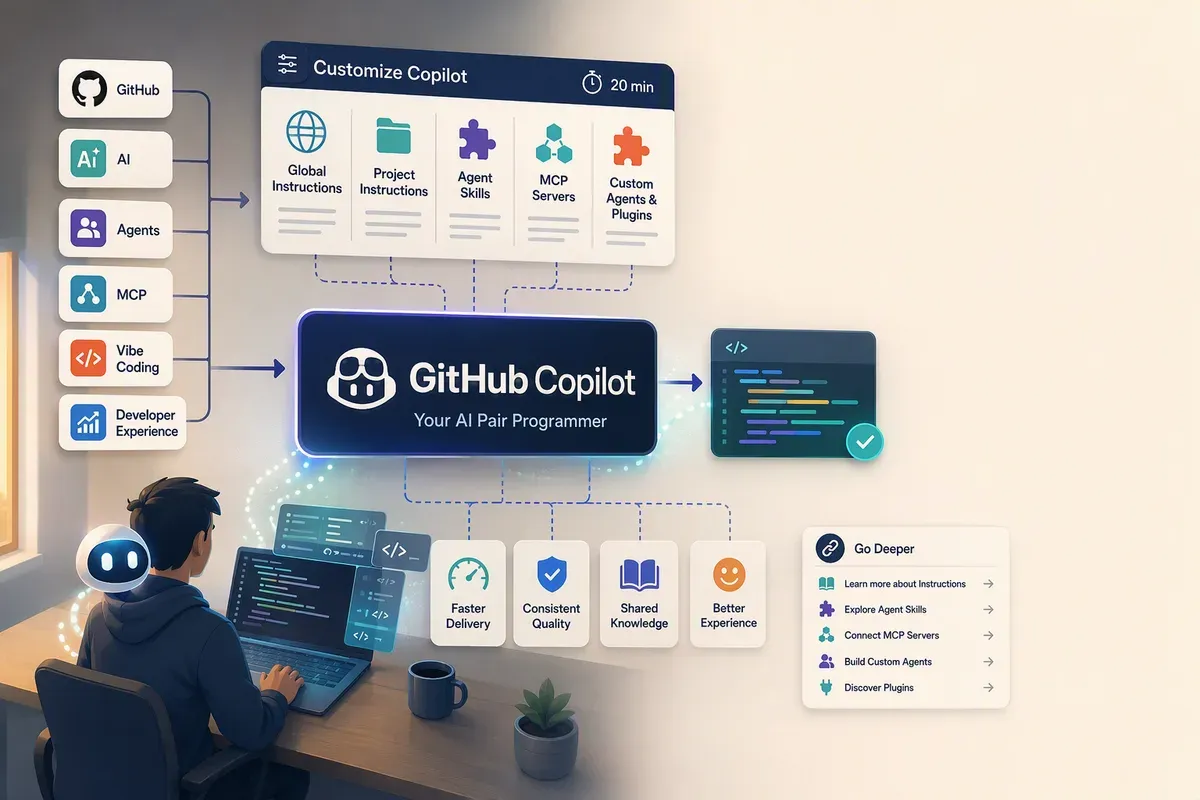
A 20-minute quickstart for customizing the GitHub Copilot app as a non-coder: instructions, agent skills, MCP servers, custom agents, and plugins.
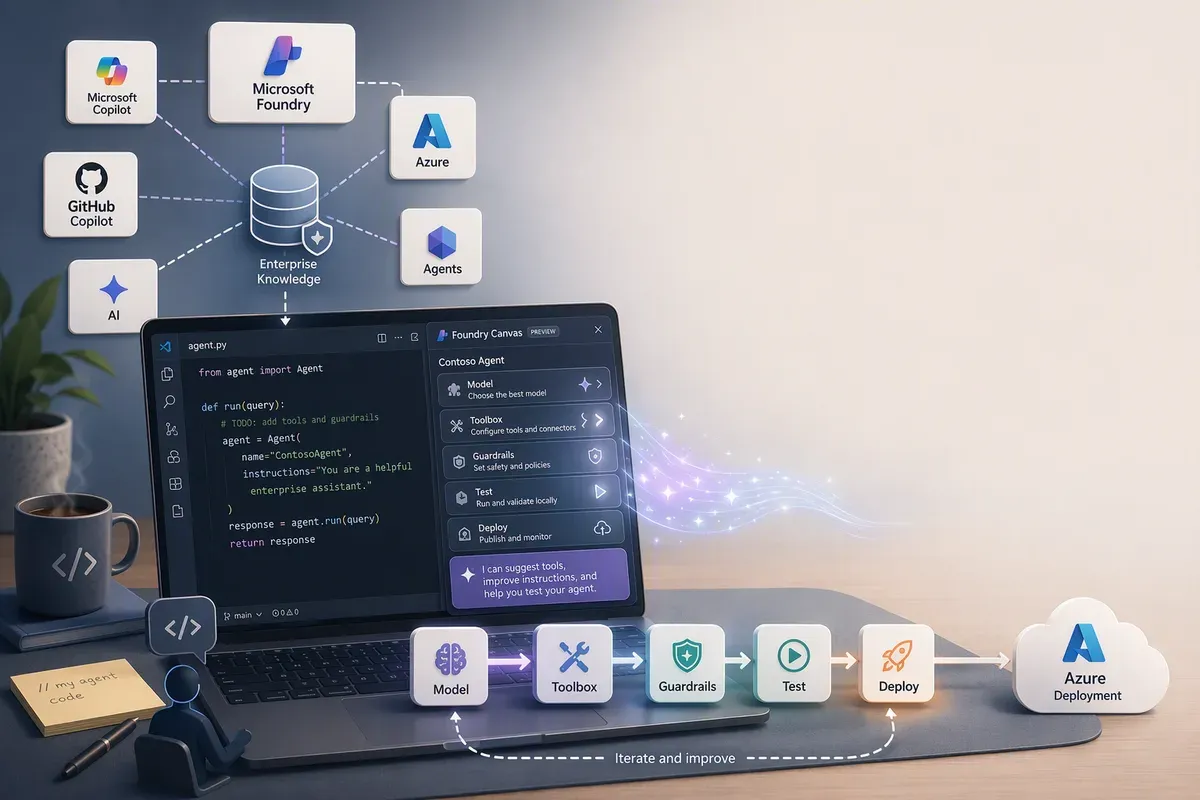
Foundry Canvas puts model selection, toolboxes, guardrails, testing, and deployment in a Copilot side panel while leaving you the actual agent code.
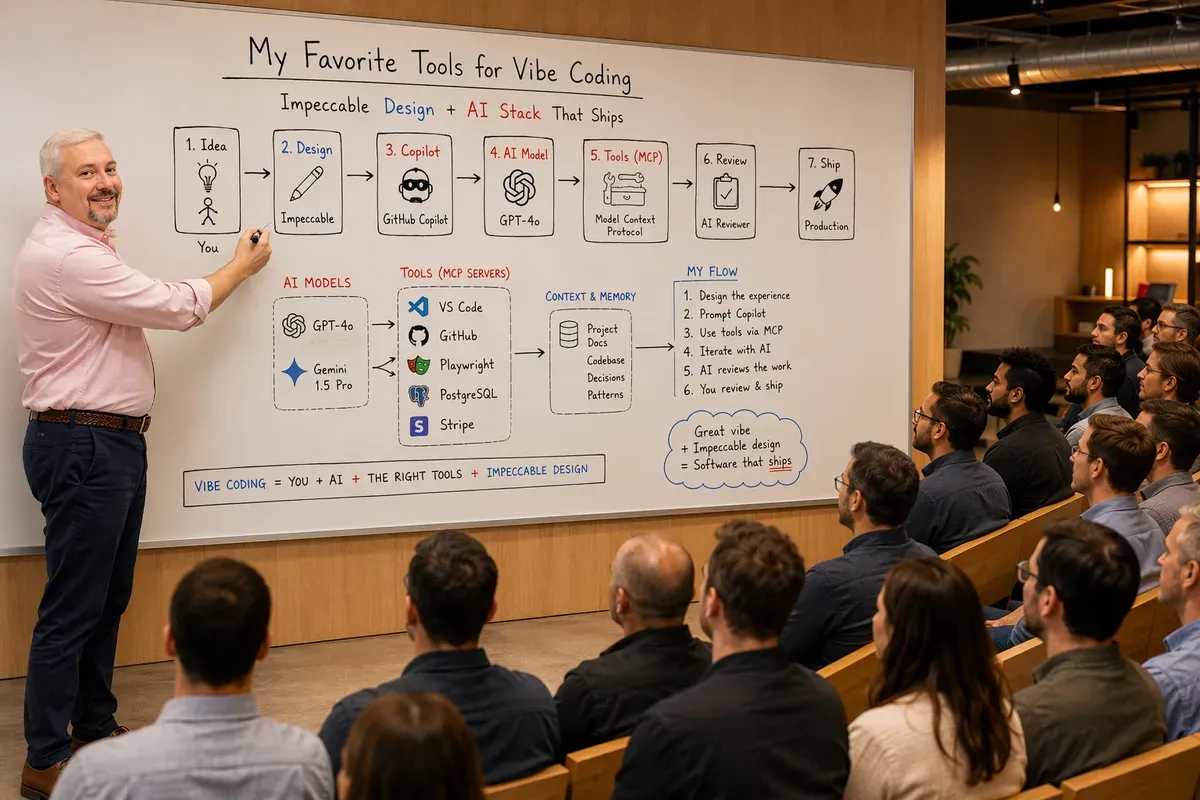
The AI tools I use to design, ground, review, and ship vibe-coded projects, from Impeccable and Microsoft Foundry to MCPs and Power Platform Skills.
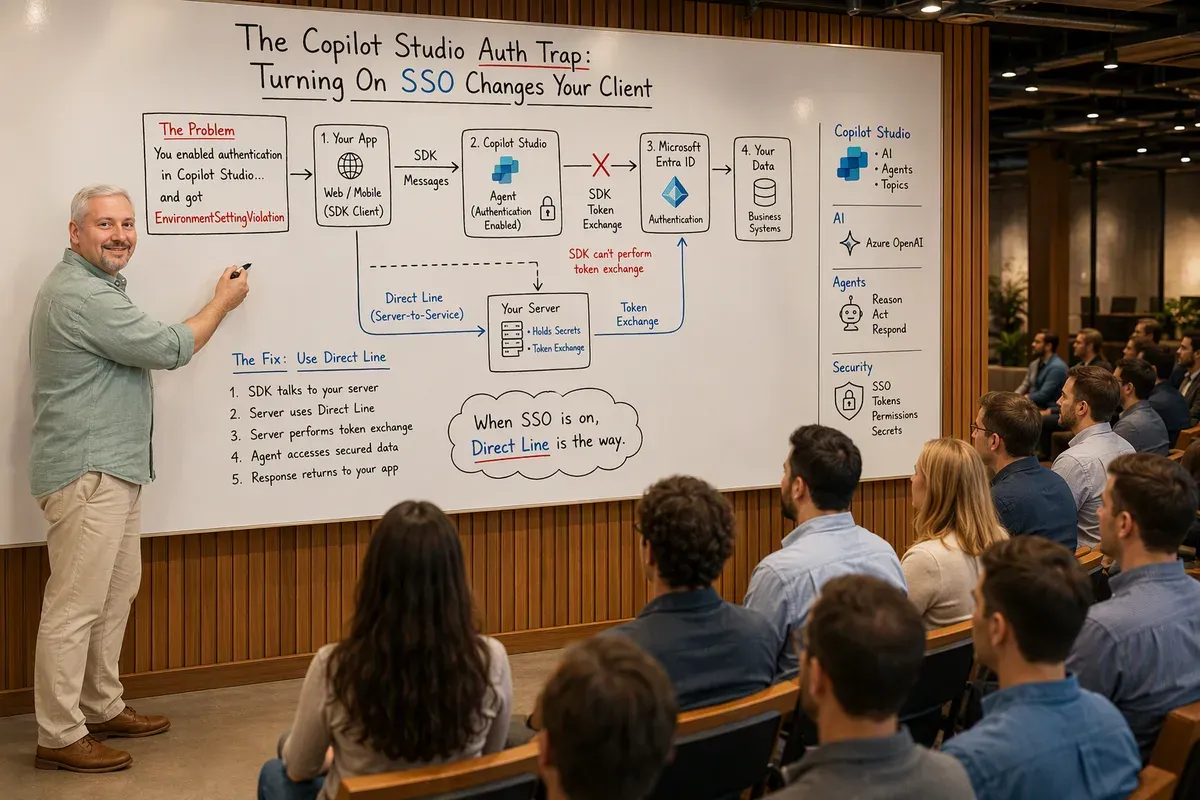
Turning on authentication breaks the Copilot Studio SDK with EnvironmentSettingViolation. Here's why Direct Line and a server-side token exchange are the fix.
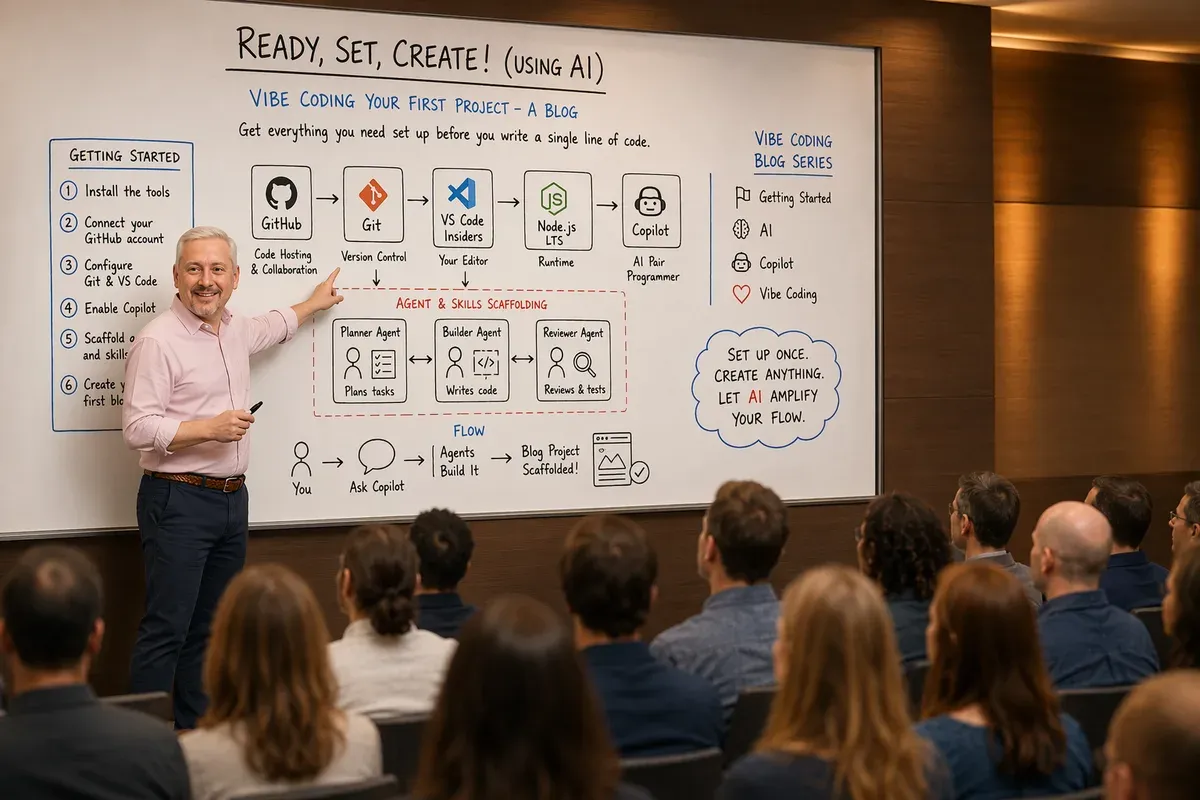
Set up GitHub Copilot to vibe code a blog, an app, or your own project. Learn the tools, agents, and skills; install Astro only for the blog example.
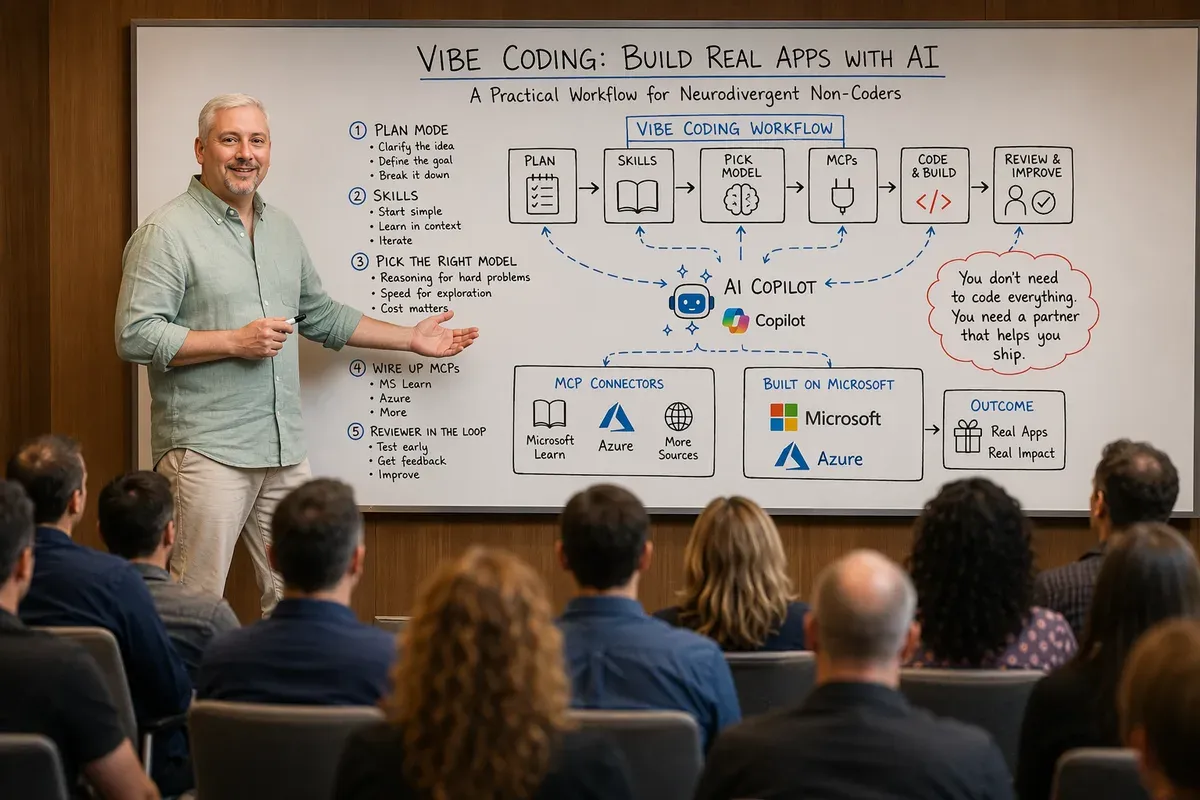
Field-tested lessons from shipping with AI: use plan mode, build reusable skills, choose models deliberately, and keep a reviewer in the loop.